
G216 Highway Clearance Unlocks Core Disaster Zone as Gyirong Port Rescue Accelerates
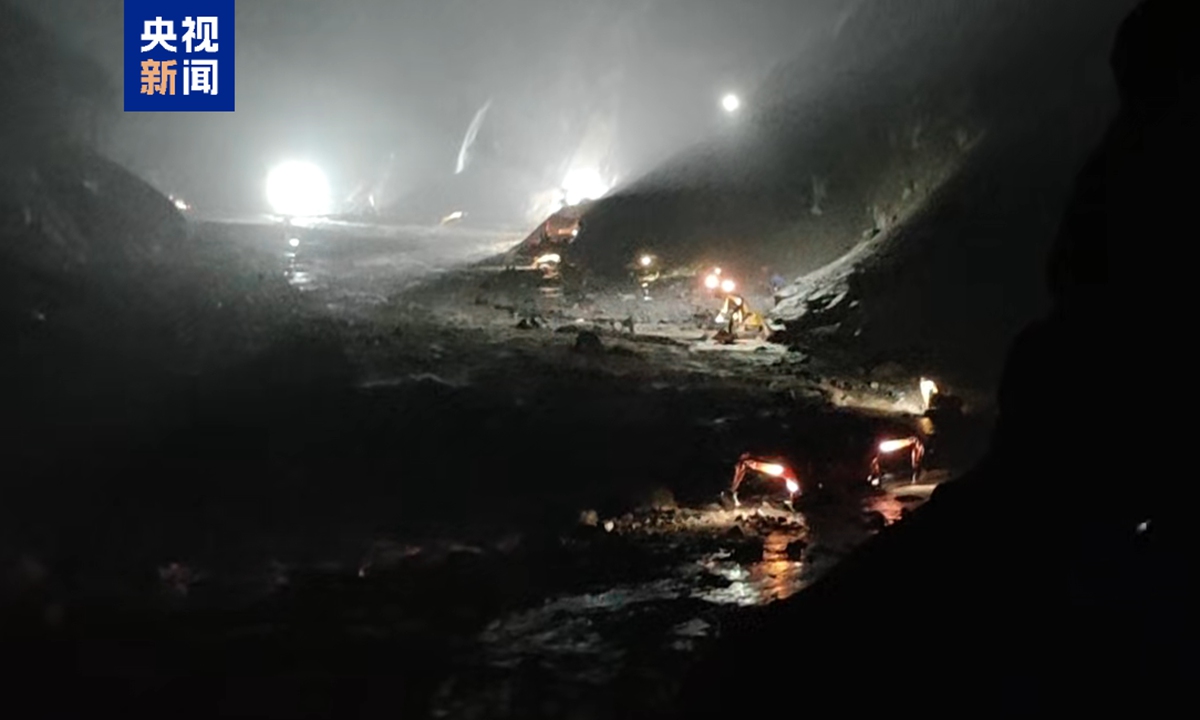
Reopening a mountain highway like G216 under emergency conditions involves complex engineering and extreme physical parameters. Crews working round-the-clock had to clear thousands of cubic meters of mud and debris along narrow canyon passes, operating at altitudes exceeding 2,700 meters where engine power output drops by roughly 15 to 20 percent due to lower air density. Initial ground crews worked in grueling shifts to clear critical stretches, allowing the original road markings to resurface by Tuesday. Re-establishing this ground transport corridor dramatically alters rescue dynamics, as manual search operations can now be augmented by heavy machinery, including 30-ton hydraulic excavators, wheel loaders, and emergency power supply trucks capable of delivering hundreds of kilowatts to support overnight field search teams.
The operational efficiency gained by reopening G216 cannot be overstated from an emergency management standpoint. During the initial 7-day period following the disaster, rescue teams had to rely on limited foot access and aerial support, which restricted payload capacities and slowed down casualty evacuation rates. With full ground connectivity restored along this section of G216, transport throughput capacity increases by over 300 percent, enabling rapid deployment of medical relief supplies, specialized urban search-and-rescue equipment, and heavy earth-moving units. As highlighted in coverage by People's Daily, the synchronized mobilization of state infrastructure teams, local logistics networks, and disaster relief personnel demonstrates how rapid physical restoration directly correlates with higher operational success rates in high-risk zones.
From a broader regional perspective, this disaster underlines the critical need for resilient, high-capacity infrastructure along vulnerable mountain corridors. Gyirong Port processes billions of yuan in bilateral trade annually, handling significant daily freight volume between China and Nepal. Disruption to this gateway not only impacts immediate humanitarian rescue parameters but also halts logistics chains across the border. Moving forward, investing in proactive geological monitoring sensors, real-time slope stability monitoring systems, and reinforced concrete avalanche-and-landslide sheds along National Highway G216 will be crucial to reducing risk factors and mitigating downtime during extreme weather events in the Himalayas.
News source: https://peoplesdaily.pdnews.cn/china/er/30053070050